
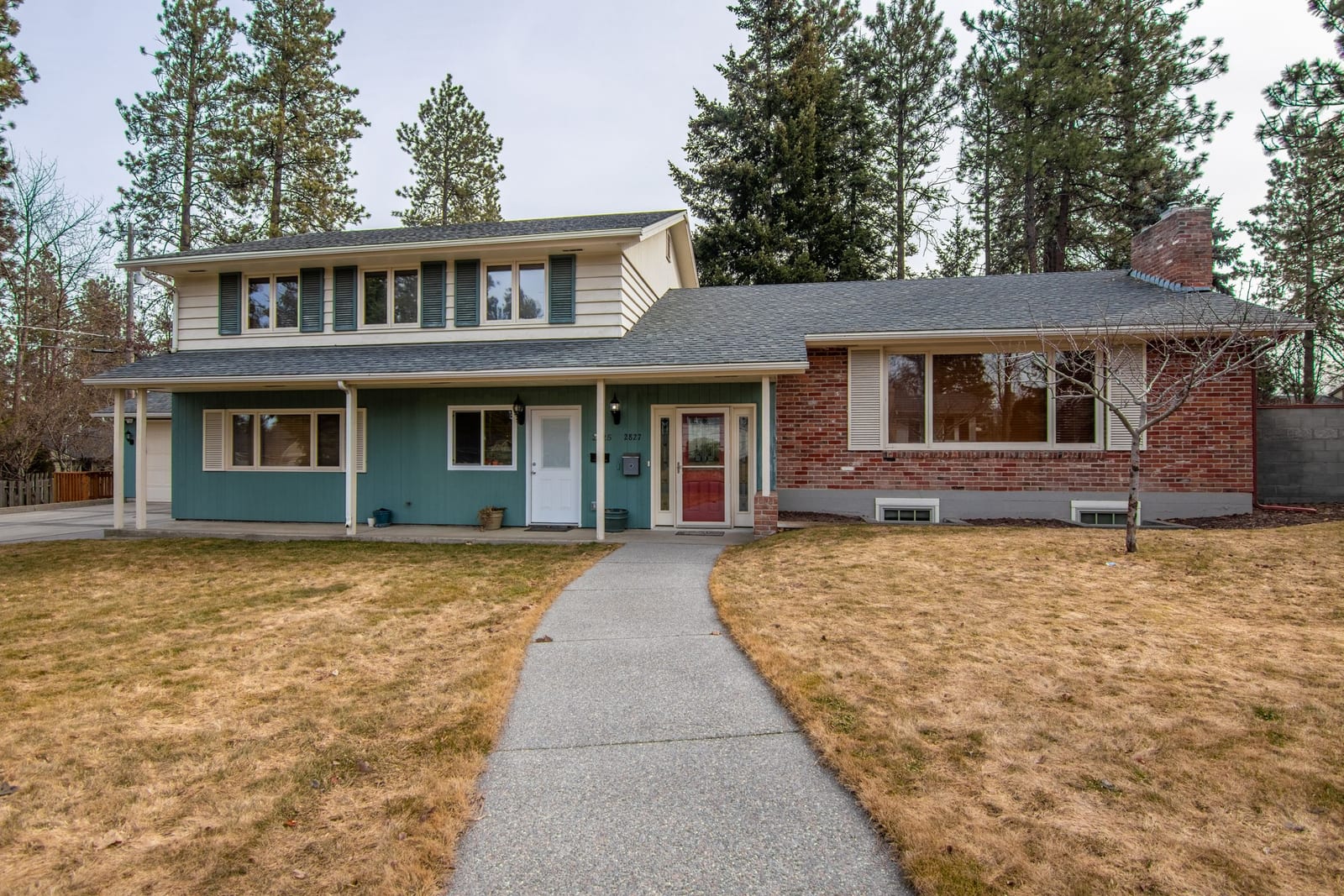
Chimney Waterproofing in Yorba Linda
Brick soaks up water like a sponge.
Book This Visit
Describe how the fireplace or stove behaves. Expect a callback to set the date and outline the checks.
What the Visit Covers
Brick and mortar soak up water, and a wet chimney cools the flue and slowly flakes apart at the surface. Once open joints and cracks are repaired, we clean the masonry and apply a breathable water repellent that keeps rain out but lets vapor escape. Paint and plain sealers trap moisture and peel, so they never go on our chimneys. The area to be covered sets the written price.
Why Brick Needs Protecting
Brick and mortar are porous. A brick chimney sitting in a winter storm soaks up water through every face, and that water does slow, steady damage. It dissolves salts in the masonry and carries them to the surface as white streaks. It softens mortar joints until they crumble. In stacks that heat up during fires, wet brick cracks and flakes as it dries. It reaches the flue and the smoke chamber, where it mixes with soot and rusts metal parts. And a wet stack is a cold stack, so the smoke inside cools faster, the draft weakens, and more creosote forms on the flue walls. In Yorba Linda, the long dry summers mean a chimney can look fine most of the year, but the damage accumulates during the wet months. A breathable water repellent breaks that cycle by keeping liquid water out of the brick while still letting the moisture already inside escape as vapor.
The word breathable matters. Paints, film-forming sealers and anything sold as a general waterproof coating trap moisture behind them. Water that gets in through a crack or the crown cannot get out, and the brick face spalls off behind the coating. The repellents we use soak into the masonry rather than sitting on top, so they do not change its look and they let it breathe. We apply them only to sound masonry. If there are open joints, cracked bricks, a cracked crown or failing flashing, those are repaired first, because a repellent cannot seal a gap. On the visit, we inspect the stack, note the repairs it needs, and photograph salt staining, spalled brick and joint erosion so you can see where the water has been getting in. Those photos become the before set for the job.
How the Job Is Done and Quoted
Waterproofing is quoted in writing after the inspection, and the quote is split into two parts: the repairs that must come first, and the repellent itself. That way you can see what the repellent costs on its own and why the repairs matter. On the day, the masonry is cleaned of loose dirt and salt deposits, repairs are allowed to cure, and the repellent is applied by low pressure spray until the brick is saturated, working from the top down. It needs a dry stretch to soak in properly, so we schedule around the weather. Roofing, windows and anything below the chimney are covered before spraying, and overspray is wiped off glass and metal before it dries. The crown gets its own coating made for cement, since the brick repellent does not suit a horizontal surface that holds standing water. Stone chimneys and painted brick are looked at case by case; some need a different product, and a few should not be treated at all, which we will tell you plainly.
When the work is done, you get photos of the treated stack and a short note on what was repaired before it went on. Waterproofing pairs naturally with a cap, which keeps rain off the flue opening and crown, and caps are quoted on site. Owners in Anaheim, Orange and Corona often book waterproofing with crown or flashing work so all the roof work happens at once. A dry chimney lasts longer, drafts better and stops the damp, smoky smell many fireplaces give off in winter, which makes it one of the quieter ways to keep a fireplace burning clean. The repellent wears over time with sun and rain, and at your next inspection we look at how well the brick is still shedding water and note whether a fresh coat is due.
- Draft First
- Air in View
- Written Prices
- Photo Notes
More Services
Chimney Sweep
A swept flue drafts hard, so smoke goes up and out instead of curling back into the room or hanging over the yard.
Learn More →Chimney Inspection
A look at every part that carries smoke out of the house, so you know where it leaks, stalls or spills back.
Learn More →Chimney Repair
Cracks and open joints that leak smoke, water or heat, repaired at the spot where the trouble actually starts.
Learn More →- Fireplace Inspection
- Fireplace Repair
- Chimney Level 2 Inspection
- Chimney Cap Installation
- Chimney Flashing Repair
- Chimney Masonry Repair
- Chimney Rebuilds
- Fireplace Cleaning
- Gas Fireplace Cleaning
- Gas Fireplace Repair
- Fireplace Remodel
- Fireplace Inserts
- Pellet Stove Repair
- Wood Stove Repair
- Gas Logs
- Chimney Seismic Retrofit
- Chimney Crown Repair
- Dryer Vent Cleaning
- Chimney Liner Installation
- Chimney Leak Repair
- Chimney Damper Repair
- Chimney Chase Cover
Chimney Waterproofing by city
Each city page below covers the homes and weather there, and which nearby cities share the same route.
No cities match that search. Try a nearby area name or neighborhood.